What belongs on a first-year garage checklist for a Georgia home?
Document the garage at move-in, check the door and water entry, and create a seasonal maintenance routine before adding permanent finishes. Keep warranty questions separate from optional improvements so important repairs do not get covered up.
Free on-site estimate — call (470) 999-6963
Updated · HG Garage Door
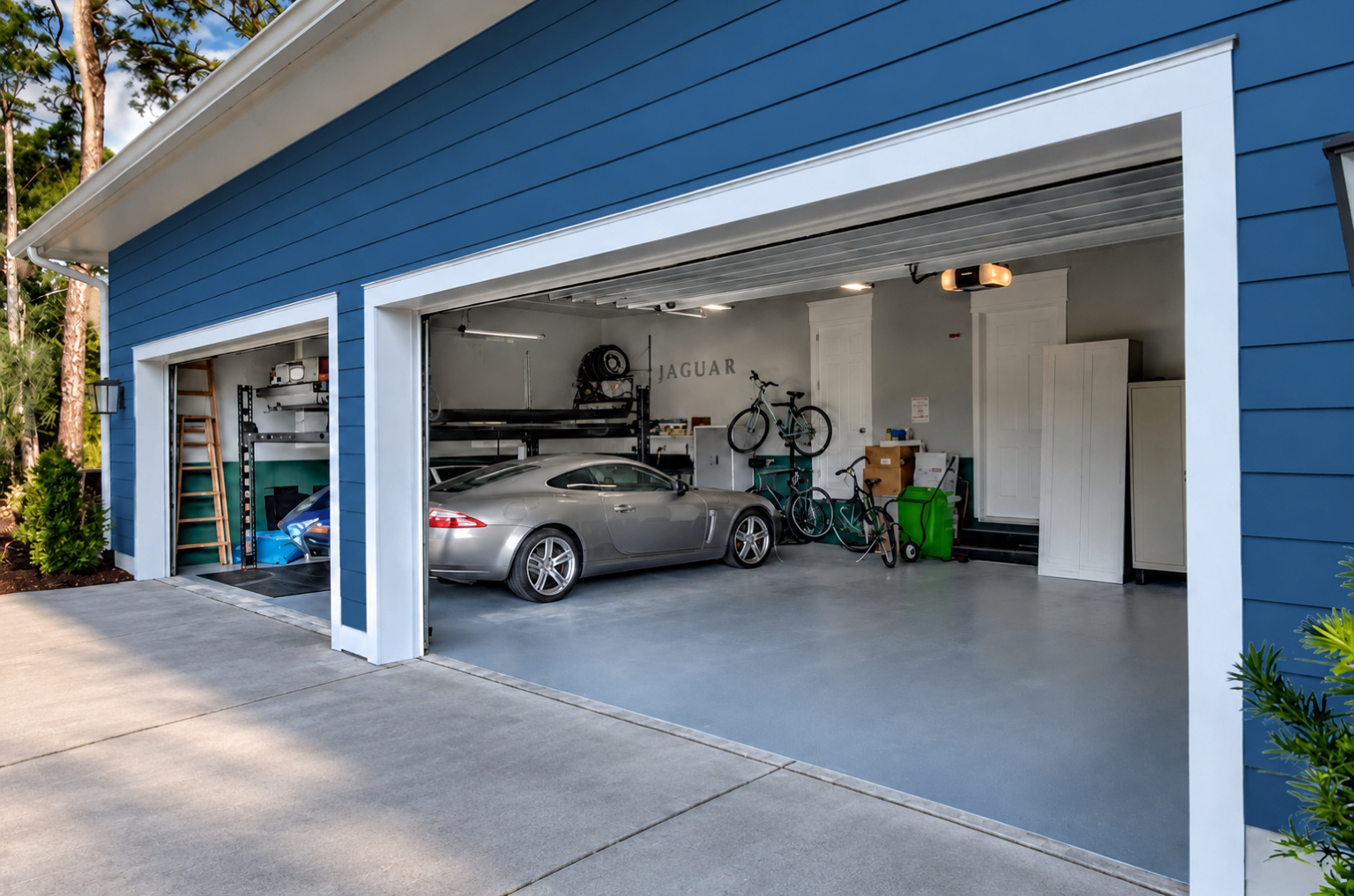
What should I record during my first week in the house?
Build a small garage record with photographs, equipment labels and the builder or seller documents. It becomes your baseline for noticing a new crack, leak or change in door operation later.
Photograph the floor, wall joints, door panels, bottom seal and utility area before boxes hide them. Save the opener manual, remote instructions and information about any existing coating. Record whom to contact about builder warranty concerns and how that process handles alterations.
Locate the electrical panel without removing its cover, and identify the garage outlets that have test or reset buttons. Have a qualified person investigate damaged wiring or an outlet that repeatedly trips. Check where the manual release is located and read the opener's instructions for using it safely.
Keep keys and access information somewhere accessible during an outage, rather than inside a garage you cannot enter.
How should I check door safety without adjusting springs?
Observe the door and follow the opener manufacturer's homeowner checks; do not touch tensioned springs or loosen brackets. A door that binds, hangs crooked or drops needs professional assessment before routine use continues.
Keep children away while you inspect the opening and make sure nothing covers the photo eyes. Look for frayed cables from a safe distance, loose-looking hardware, damaged panels and light entering around the seal. Do not compensate for a sticking door by increasing opener force.
Use the manual's instructions for obstruction and reversing tests, and stop if the result is not correct. Ask a technician to demonstrate normal operation and emergency release after a service visit. Change access codes according to the manual when moving into a previously occupied house.
Save the new instructions, but do not post keypad codes in your garage record or on a shared listing.
What should I watch during the first heavy rain and hot spell?
Use the first wet and hot periods to learn how the garage behaves before committing to finishes. Water patterns and uncomfortable surfaces provide clues that a dry move-in inspection cannot reveal.
Look for water flowing under the closed door, damp wall bases and persistent patches on the slab. Photograph the pattern and time rather than assuming every stain is an active leak. Clear ordinary debris from the threshold without altering drainage or drilling the slab.
During warm weather, compare comfort with the door closed and after a parked car cools; do not run the engine to perform a test. Notice direct sun, gaps around the door and whether the ceiling separates the garage from a bedroom. Discuss those observations when planning insulation or climate control.
A floor coating should not be used to hide drainage trouble, and a portable fan cannot resolve all heat or humidity causes.
How do I keep storage from creating a safety problem?
Establish vehicle, walking and utility access zones before installing shelves. Everyday storage should make the garage easier to use, not turn the path to the house into a narrow obstacle course.
Sort moving boxes into items used daily, seasonally and rarely. Keep heavy objects low and choose containers that do not project into a door's travel path. Check shelf and rack ratings, mounting requirements and the structure they will attach to.
Do not fasten overhead racks to drywall alone or assume every ceiling can carry the same load. Keep utility equipment accessible and preserve the clearances required for it. Store paints, fuels and batteries according to their labels, away from incompatible materials and ignition sources.
If a charger is planned, reserve its cable route now rather than weaving it through shelving later. Leave enough room to open both car doors before ordering deep cabinets.
When should I plan permanent upgrades during the first year?
Plan upgrades after you understand your daily routine and any unresolved builder or seller issues. You can collect estimates early, but permanent finishes should follow repairs and decisions about use.
Walk the garage after several ordinary days of parking, unloading groceries and storing outdoor gear. A family may need a washable entry wall and shallow cabinets more than a fully finished ceiling; another owner may prioritize an insulated door and workout area. Draw the intended changes, then ask about concealed work and permits before selecting colors.
Save receipts and approved material details if modifications interact with a warranty. Coordinate new door installation, drywall dust and coating cure so trades do not damage one another's work. Put optional accessories in a later phase if the first quote reveals needed concrete or electrical repairs.
A thoughtful first-year plan is more useful than finishing everything immediately and then discovering the layout does not fit.
What should my ongoing garage maintenance record include?
Keep a short recurring checklist tied to the equipment and finishes actually installed. The goal is to notice changes early, not to perform specialist repairs without the right training.
Record door service, seal replacement and any unusual noise with the date and action taken. Follow the opener manual and finish manufacturer's care instructions rather than applying generic lubricants or harsh cleaners everywhere. Check that sensors remain clear after moving shelves and that stored items have not drifted into the tracks.
Note water entry after storms and contact the appropriate professional when it changes. For an upgraded floor, save the product system, release-to-use instructions and approved cleaners. For storage, keep mounting and load information with the cabinet plan.
Review the record before the next project phase so a recurring problem is addressed in its scope. A written handover gives you and any future owner clear instructions for keeping the garage in good condition.
What else should I know before starting?
Should I replace the opener immediately after moving in?
Not simply because you moved in. Change access credentials as the manual directs and have unsafe, unreliable or damaged equipment evaluated. A working opener may not need replacement.
What garage defects should I show the builder?
Document suspected leaks, uneven operation, damaged finishes and concerns about installed equipment. Ask the builder about the warranty process before covering surfaces or changing the installation.
How often should I look at the garage floor?
Include it in ordinary cleaning and check again after heavy rain or a spill. Follow the coating care guide if one exists, and investigate a persistent change rather than painting over it.
Can I request a makeover estimate before choosing finishes?
Yes. An on-site review can identify the order of work and the practical scope before you commit to colors, cabinets or a floor system.
Plan your garage makeover
Tell us what you want your garage to do. Call or send the form below to arrange your free on-site estimate.
HG Garage Door · 1353 Riverstone Pkwy, Ste 120-259, Canton, GA 30114
Mon–Fri 9:00 AM – 7:00 PM · Sat Closed · Sun 10:00 AM – 3:00 PM